
No Morning Appetite? How to Increase It and Train Your Hunger (Ghrelin Explained Simply)
Mornings used to make all of my efforts useless...

Mornings used to ruin my entire bulk.
Low appetite, zero hunger cues, and that horrible “I’ll make it up later” lie we all tell ourselves.
If that sounds like you too, you’re not broken. Your hunger schedule is.
This guide shows you:
Exactly how to increase morning appetite fast
Why your hunger (ghrelin) clock isn’t firing
14-day protocol that finally makes breakfast feel natural instead of nauseating.
KEY TAKEAWAYS
You can train morning appetite in 10 to 14 days using a fixed breakfast window + a simple hunger primer.
Your ghrelin clock (hunger hormone) adapts to consistency, so low morning appetite isn’t genetic, it’s a timing problem.
Start small (200/300 kcal), then ramp up to 20–30% of daily calories using warm, salty, sauced foods that digest easily.
Hit 25 to 45 g protein early, making lunch and dinner easier to eat while stabilizing energy.
Light, movement, hydration, and timing are the fastest levers to “turn hunger back on.” However, keep in mind that caffeine can suppress appetite, so timing your coffee intake is important.
If You've Got Morning Appetite Loss... I’ve Been There
I once threw up trying to eat breakfast. Literally gagged over a bagel at 7:30 a.m.
If you’ve ever needed calories but your stomach gave you nothing, you know the exact feeling.
My bulk kept stalling because mornings murdered my appetite. I kept telling myself, “I’ll eat more later” (Spoiler: I never did). And I stayed stuck at the same weight for weeks.
But here’s the truth: morning appetite isn’t random. And it’s definitely not a genetics thing.
The actual science behind it:
Your hunger hormone, ghrelin, works on a schedule. In fact, certain hormones, such as ghrelin, glucagon-like peptide-1, peptide YY, and cholecystokinin, play a key role in regulating morning hunger and appetite cues.
Or in other words...
Give it consistency → hunger shows up.
Give it chaos → hunger disappears.
Imagine actually wanting breakfast. Imagine hitting 20–30% of your daily calories before 9 a.m. Imagine cruising through the rest of the day without calorie panic.
Sounds like a dream doesn't it?
Below is the exact 14-day protocol I used to train my morning appetite & fix the “I’m never hungry in the morning” problem for good:
Why you aren't hungry in the morning
1. You skip or delay breakfast
If you don’t eat consistently in the morning, skipping/delaying eating breakfast can disrupt your hunger hormone patterns and make it harder to crave food at that time.
Breakfast is often referred to as the most important meal of the day for overall health and metabolism, as it tends to lead to better appetite regulation and improved health outcomes compared to those who skip breakfast.
2. Your last meal is too big or too late
Eating a large meal late at night or what you ate the previous night can impact how hungry you feel in the morning.
Heavy dinners slow digestion and blunt appetite at wake-up.
(This is easily avoided by properly spreading out calories across meals)
3. Your sleep and wake times are inconsistent
Your circadian rhythm influences your hunger rhythm.
Consistent sleeping patterns and getting enough sleep are crucial for maintaining a regular hunger rhythm. If one is chaotic, the other collapses.
The good news?
All of these are fixable.
How to Increase Appetite in the Morning (Fastest Method)
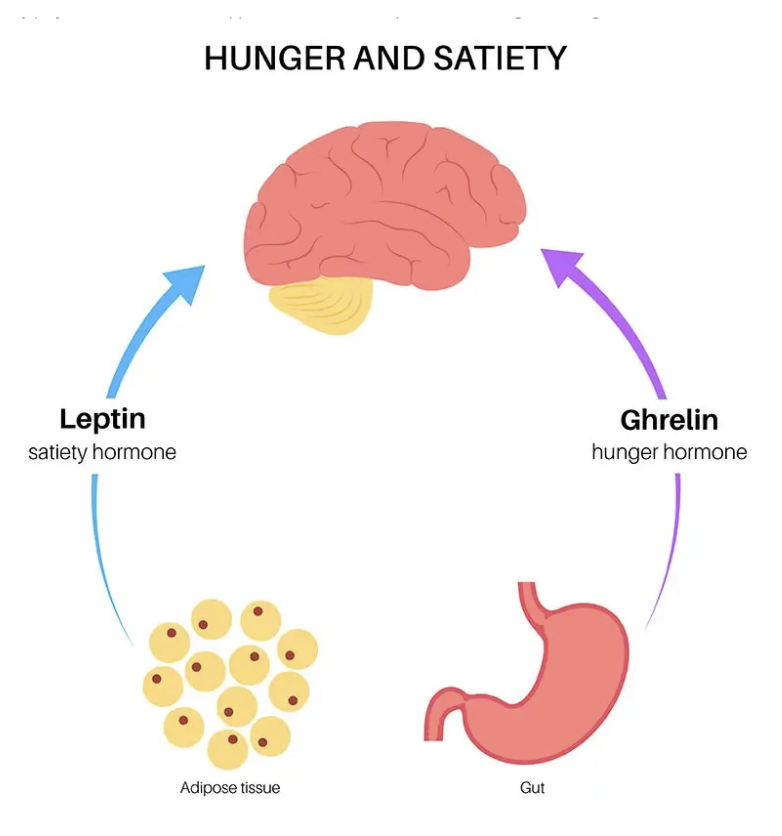
Morning appetite increases when:
Your hunger hormones follow a schedule
You wake your body up properly
You give your stomach easy wins
You ramp calories intentionally
That’s exactly what this protocol does:
The 14-Day Ghrelin Clock Reset
Expect days 1–3 to feel weird. By day 7–10, hunger starts appearing on time. By day 14, breakfast feels normal.
Let’s break it down:
Step 1: Pick Your Breakfast Time
This is the entire foundation. Ideally, choose a time between 7:00–9:00 a.m. and EAT. AT. THE. PLANNED. TIME.
Ghrelin only adapts when timing is consistent. If weekends swing by 2 hours, progress can go down the drain.
(TIP: Set an alarm to keep consistency)
Step 2: Run the 10-Minute Primer Before Eating
This “opens the appetite door” and makes food go down easier:
Light exposure: 5 minutes outside or by a bright window. Paired with light physical activity (e.g. a simple walk) can help stimulate hunger,
Hydrate
Deep breathing: 1–2 minutes of deep breathing to help reduce stress, regulate cortisol, and support appetite regulation.
Coffee timing: Always drink coffee AFTER eating your meal, or your appetite will be completely ruined (here's why)
These cues flip your body from “sleep mode” to “eat mode.”
Step 3: Start Small (200–300 kcal)
Day 1 is about building the cue, not stuffing yourself.
Examples:
Milk + ½ scoop whey
Thick toast with butter/honey + milk
200 g Greek yogurt + honey + salt
Start low, and ramp your way up. No need to rush. (More in step 6)
(TIP: If you’re nauseous or really struggling, turn calories liquid and sip them over time)
Step 4: Hit 25 to 45 g Protein Early
Protein wakes up appetite later in the day and supports recovery.
Ideas:
Whey + milk + honey + peanut butter
3 eggs + olive oil + cheese
Greek yogurt + blueberries
Cottage cheese + fruit or nuts
Including a balance of nutrients, such as protein and healthy fat, in your breakfast food choices can help support appetite and satiety.
Aim for 25 to 30 g initially (first week) and increase to 30 to 45 g as you increase calories as well.
Step 5: Warm, Salty, Sauced > Dry, Cold, Bland
When appetite is low:
Warm beats cold
Salty beats bland
Sauced/oiled beats dry
Lower fiber beats high fiber
Morning isn’t the time for raw veg or bran-heavy meals. Make food easier, not harder.
Quick note:
I know choosing what foods to eat, creating a diet plan, and all that is a pain in the ass.
So I've done that for you:
Get a nutrition plan 100% tailored to YOUR situation. No commitment.
Been working on it for 150+ hours, and it'll be paid once it's fully finished...
But if you get on the list beforehand, you'll get it completely FREE.
Click on this image to claim EARLY ACCESS:
Step 6: Progress Calories on a Schedule
Follow this ramp:
Days 1–3: 200 to 300 kcal
Days 4–7: 400 to 600 kcal
Day 8 onwards: 20 to 30% of daily calories
Increasing food intake gradually after a long period of overnight fasting helps reset hunger cues and supports morning appetite.
e.g. If your target is 3,000 kcal/day, then from day 8 and onwards → 600 to 900 kcal at breakfast.
Full guide on how to hit the 20-30% number consistently
REMEMBER: Consistency > heroics. A plant doesn't grow by overloading it with water for one day.
Step 7: Track Weight by 7-Day Average
Daily weight lies. The weekly average tells the truth.
If the 7-day average isn’t climbing 0.25–0.5 kg/week (0.5–1lb), increase daily intake by +100 to 200 kcal.
Breakfast is usually the easiest place to apply it.
Wrapping Up & Personal Take
For a long time, I thought something was wrong with me.
Every morning felt like a battle I couldn’t win. Staring at food I couldn’t eat, knowing I needed the calories, knowing my bulk depended on it…
But my body was just shutting the door on me.
It messes with your confidence more than people admit.
It makes you feel weak, undisciplined, “not built for this.”
Truth is, fixing my morning appetite was the first time I realized this whole game isn’t about being tougher. It’s about understanding your body instead of fighting it.
The moment breakfast stopped feeling like punishment…
The moment hunger showed up instead of disappearing…
The moment I hit my calories without stress for the first time…
It genuinely changed how I saw myself.
Not because of the food. Because I finally felt in control.
And once you feel that?
Your whole bulk feels different. Your days feel lighter. You stop thinking about eating 24/7. You start enjoying the process again.
And that's why I wrote this. Because I wish someone had handed it to me earlier.
FAQ
“I feel nauseous in the morning. What do I do?”
Start with liquid calories. Milk + whey + honey + peanut butter works well. Sip slowly and add a small salty bite (toast) after a few days. Eating small meals throughout the day can also help manage morning nausea and make it easier to stimulate your appetite. Pregnancy is a common cause of morning nausea and appetite loss, especially in the early stages, and these strategies can help manage symptoms. Nausea usually fades once your ghrelin rhythm adapts.
“I train at 6 a.m... help.”
Have a mini shake before training (milk + whey + banana + salt). Eat your full breakfast after. Keep the same breakfast anchor time for consistency.
“Can I just do one big shake?”
Yes. Hit 30–45 g protein and 400–600+ kcal. Add one solid bite by week 2 so you don’t rely on liquids forever.
“How long until I’m actually hungry?”
Most people feel a shift by day 7–10, often noticing increased appetite and starting to feel hungry in the morning. This is a clear difference compared to before the protocol, when many did not feel hunger or experience strong hunger cues upon waking.
By day 14, these appetite changes usually become stable and predictable if your timing stays consistent. Feeling hungry in the morning is a sign that your body’s hunger signals are returning to normal, and you can recognize what feeling hungry actually feels like.
"Does chronic stress affect hunger levels?"
Yeah, stress absolutely messes with your hunger levels, especially in the morning. When you’re stressed, your body pumps out cortisol and adrenaline. These hormones put you in “deal with the problem first, eat later” mode, which can blunt appetite and make it harder to feel hungry at breakfast.
For most guys, it’s not that they’ve “lost their appetite,” it’s that stress keeps their body stuck in alert mode instead of hunger mode. Once your routine gets more predictable (regular sleep, consistent meal timing, light movement in the morning), hunger signals start coming back fast.